6 min read
A home is often the largest financial investment a family will ever make. Yet, many homeowners adopt a purely reactive mindset—waiting for the air conditioner to fail during a sweltering July heatwave, or ignoring slick, blackened driveways until someone slips.

While core mechanical systems like your HVAC and electrical panel demand routine checks, true preventative care extends across your entire property: from interior fixtures and high ceilings down to the concrete flatwork and rooftop solar arrays.
Here is your comprehensive playbook for keeping your home safe, efficient, and looking its best in every season.
Exterior envelope and fixture cleaning. While most homeowners remember to change air filters, they routinely overlook how dirt buildup on solar panels, windows, and exterior flatwork degrades building materials, spikes electric bills, and strains indoor air quality over time.
Before diving into surface care, start with the core utilities running behind your walls and in your attic. Keeping these systems balanced prevents catastrophic failures and hazardous fire risks.
Exterior flatwork takes a constant beating from vehicular traffic, lawn irrigation, and environmental contaminants. Over time, porous concrete and masonry absorb destructive acids, oil, and moisture, leading to spalling and cracking.
Yes. Mold, algae, and dirt trap moisture directly inside concrete pores. When temperatures plunge below freezing, trapped water expands, causing microscopic surface fractures that turn into deep, crumbling cracks over time.
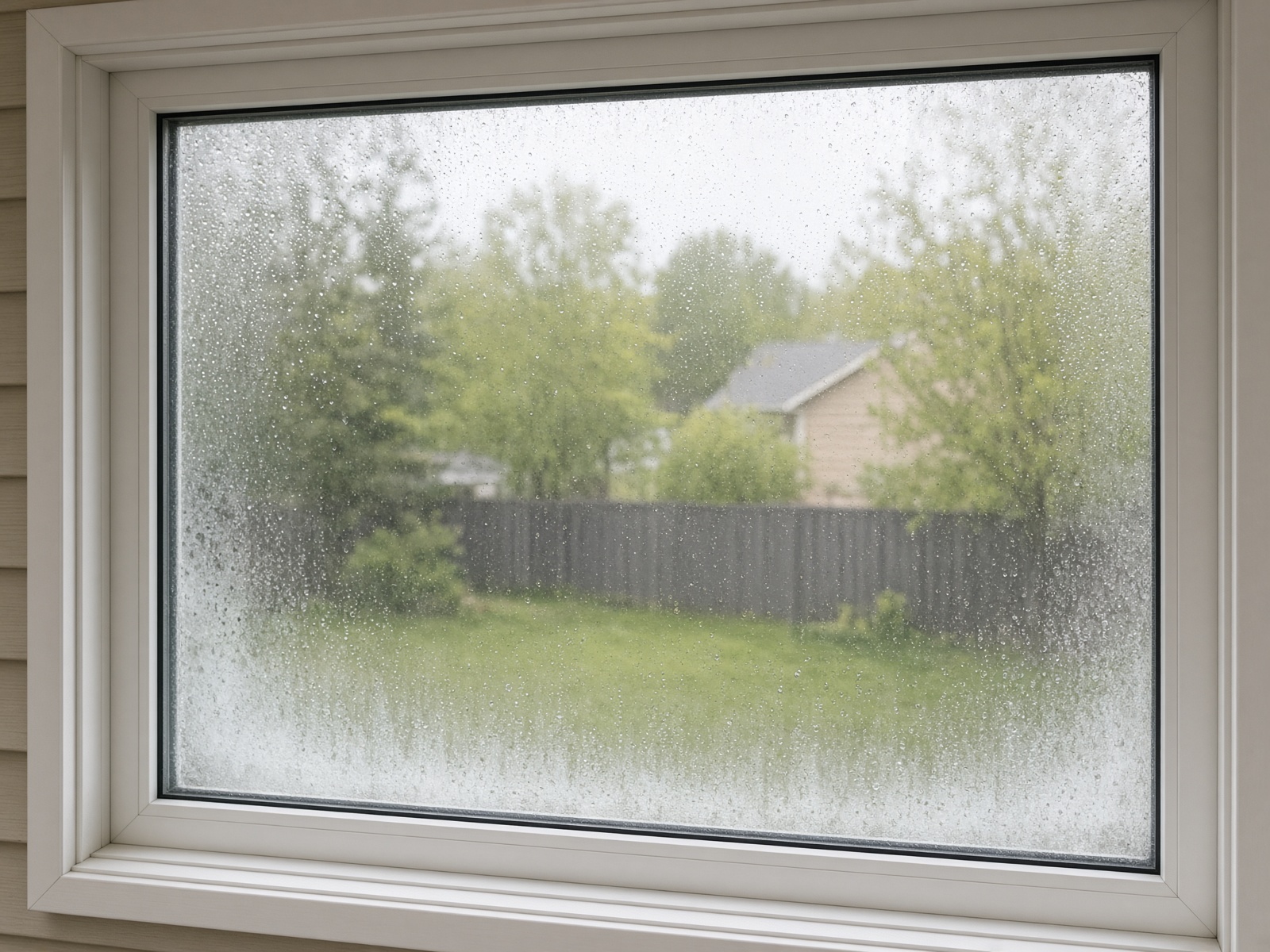
Dirty windows do more than spoil your view. Hard water minerals, airborne dust, and tree sap adhere to the glass matrix, causing permanent chemical etching if left untreated.
Furthermore, grit settling into the window frame tracks and sills traps moisture against mechanical seals, leading to premature seal failure and costly glass replacements.
If your home utilizes a rooftop or ground-mount photovoltaic (PV) solar system, routine maintenance is directly linked to financial return on investment.
Because panels sit angled outdoors year-round, they accumulate a dense layer of windblown dirt, calcified pollen, bird droppings, and industrial soot that blocks sunlight from reaching the silicon solar cells.
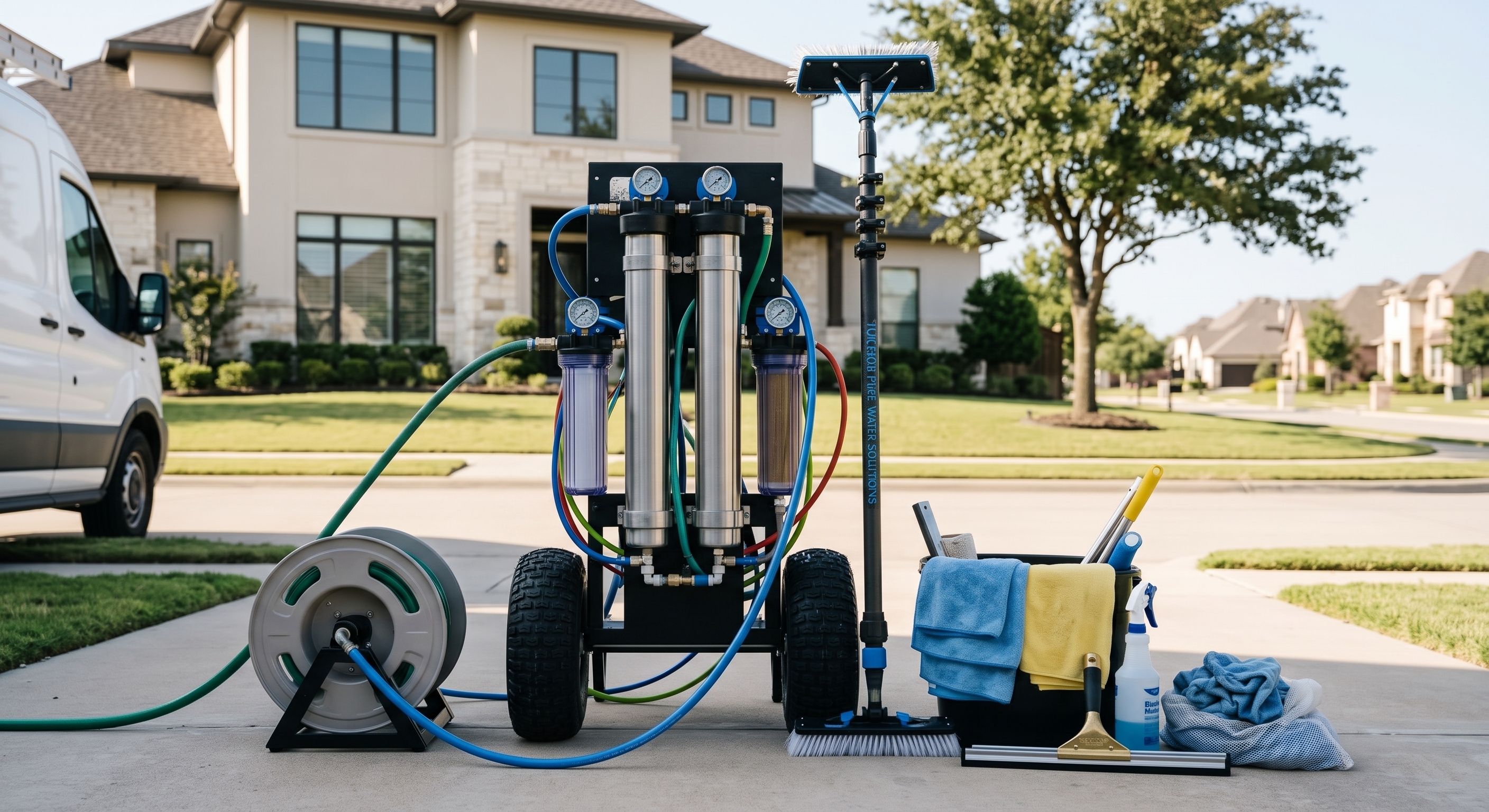
No. Think of your car windshield after a rain shower: rain brings down atmospheric dust and simply smears existing surface grime into a cloudy, baked-on film once the sun comes out. Professional, manual pure-water cleaning is required to fully remove bonded environmental residue.
While exterior cleaning handles structural longevity and curb appeal, interior fixture care directly impacts daily living quality, indoor allergen levels, and ambient illumination.
Ceiling fans and hanging light fixtures are notorious dust magnets that are difficult and hazardous to reach with an ordinary step stool.
| Area | Frequency | Key Maintenance Actions |
|---|---|---|
| HVAC & Filters | Every 60–90 Days | Change air filters; clear leaves and debris around the outdoor condenser. |
| Windows & Glass | Every 6 Months | Clean interior/exterior glass with pure water; vacuum and wipe tracks and sills. |
| Pressure Washing | Annually | Clean driveways, sidewalks, and patios with rotary equipment to remove algae and oil. |
| Solar Panels | Every 6–12 Months | Wash PV glass with deionized, mineral-free water and soft, non-abrasive brushes. |
| Fans & Lighting | Bi-Annually | Dust and sanitize ceiling fan blades; hand-clean glass pendants and high fixtures. |
| Electrical & GFCI | Monthly / Annually | Test all kitchen/bath GFCI outlets; inspect main breaker panel for wear. |
A complete home maintenance plan involves many moving parts, but you don't have to tackle dangerous ladders, commercial machinery, and delicate exterior cleaning alone.
At Wrangler Washers, we take the hassle and risk out of property maintenance. From restoring your concrete surfaces with commercial pressure washing and bringing pure-water clarity to your windows, to detailing high interior fans and boosting your solar array's output, our team brings the equipment, expertise, and care your home deserves.
Contact our team today to schedule your exterior cleaning or build a custom seasonal maintenance plan tailored to your home.