With rising energy costs and a growing focus on sustainable living, improving your home’s energy efficiency is one of the most effective ways to lower monthly bills while enhancing indoor comfort. Many homeowners assume that maximizing efficiency requires massive, expensive renovations like replacing entire HVAC systems or swapping out roof insulation.
While major upgrades certainly play a role, significant energy savings often come down to optimizing the systems and surfaces already on your property. By combining smart technology habits with targeted home maintenance, you can dramatically cut your power consumption without sacrificing daily comfort.
Here are five key tips for boosting home energy efficiency—including two frequently overlooked surface maintenance habits that yield immediate results.
1. Keep Your Solar Panels Clean for Maximum Power Generation
If your home is equipped with a residential solar array, your panels are your primary defense against soaring electric bills. However, solar panels are constantly exposed to the elements. Over time, atmospheric dust, pollen, bird droppings, tree sap, and soot build up on the glass, creating a persistent film known as "soiling."
This layer of debris can interfere with sunlight reaching the photovoltaic (PV) cells underneath. Research on soiled solar panels suggests that significant buildup can reduce energy generation, though the exact impact varies widely depending on the type and amount of soiling, weather, panel orientation, and other factors.
When debris accumulates on your panels, your home may pull more power from the municipal grid to compensate. Scheduling routine, purified-water solar panel cleaning helps keep the panel surface clean and well maintained, though the effect on energy production varies and cleaning isn't a guarantee of a specific increase in output.
THE SOILING LOSS PIPELINE
Dirty Panels → Blocks Sunlight → Reduced Output → More Grid Power → Higher Monthly Utility
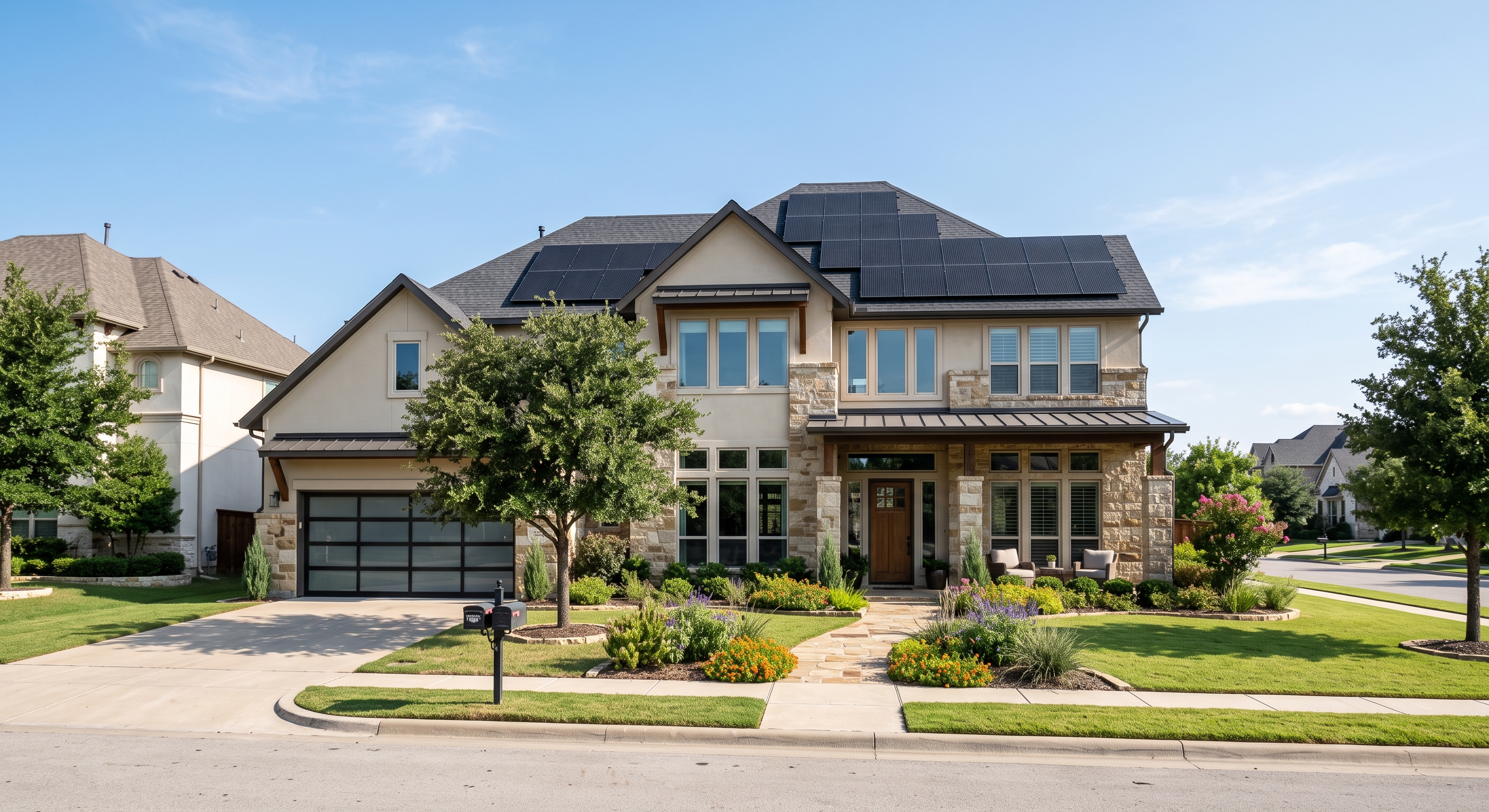
2. Maintain Clean Windows to Optimize Daylight and Thermal Performance
Your home’s windows are a critical thermal interface between your living space and the outdoors. While dirty windows are obvious to the eye, few homeowners realize how grime affects thermal dynamics and artificial lighting dependencies.
Accumulated environmental dust and mineral buildup absorb ambient solar radiation, causing window glass to heat up unevenly. Furthermore, dirty panes significantly reduce natural daylight penetration, prompting homeowners to turn on interior lights earlier in the day and keep them on longer.
By keeping glass, screens, and window tracks free of heavy buildup, you maximize natural light transmission (reducing electrical lighting loads) and allow double-pane Low-E glass to reflect or pass solar heat as engineered.
| Window Condition | Impact on Home Environment | Energy Effect |
|---|---|---|
| Grime & Dirt Film | Filters natural daylight and traps ambient heat on pane surface. | Increases electric lighting rely and strains HVAC. |
| Crystal-Clear Glass | Maximizes visible light spectrum and passive warmth. | Cuts interior lighting usage and lowers heating load. |
3. Upgrade to a Smart Thermostat for Automated Climate Control
Heating and cooling account for over 50% of the average home's energy consumption. Traditional manual thermostats often lead to wasted energy when systems run at full capacity while the house is empty or while occupants are sleeping.
Installing a programmable or Wi-Fi smart thermostat allows you to automate temperature schedules based on your routine. Setting your thermostat back 7°–10°F for 8 hours a day from its normal setting can save up to 10% a year on heating and cooling costs. Smart models adapt to local weather, track energy usage habits, and allow remote adjustments via smartphone apps.
4. Seal Air Leaks Around Doors, Windows, and Electrical Outlets
Drafty windows, unsealed door frames, and gaps around exterior wall penetrations act like open windows year-round, forcing your HVAC unit to work overtime to maintain set indoor temperatures.
Inspecting exterior gaps and applying fresh exterior-grade caulk, installing heavy-duty door sweeps, replacing worn weatherstripping, and adding insulating foam gaskets behind wall outlets on exterior walls create a tight building envelope that retains conditioned air.
Unsealed Air Gaps → Conditioned Air Escapes → HVAC Runs Continuously → High Energy Bills
5. Switch to High-Efficiency LED Lighting and Smart Power Strips
Traditional incandescent bulbs release 90% of their energy as heat rather than light, putting an extra load on indoor cooling systems during hot summer months.
Replacing old bulbs with ENERGY STAR-rated LED lighting uses up to 75% less energy and lasts up to 25 times longer. Additionally, plugging home entertainment centers and office electronics into smart power strips eliminates "phantom loads"—the standby energy drawn by devices even when turned off.
Build a Comprehensive Home Energy Strategy
True energy efficiency isn't achieved through a single quick fix; it is the combined result of smart technology habits, proper insulation, and consistent exterior maintenance. Keeping your solar panels and window glass free of environmental grime helps your home's natural energy assets perform as intended.
If you need a hand in the meantime, Wrangler Washers is here to help.

Pair clean windows with professional solar panel cleaning to maximize efficiency, or contact us to get started.