For modern commercial enterprises, retail spaces, and corporate offices, physical architecture does heavy lifting for brand identity. Yet, one critical element is frequently relegated to an occasional janitorial task: commercial window cleaning.
Windows act as a direct portal between your brand and the public. Whether operating a boutique retail store, a multi-story medical facility, or a regional corporate headquarters, dirty glass silently erodes customer trust, diminishes brand authority, and drags down your bottom line.
Prioritizing routine commercial window washing transforms an overhead expense into a high-return marketing and operational driver. Below are the five strategic reasons clean windows directly impact business growth, paired with clear insights for optimizing commercial building maintenance.
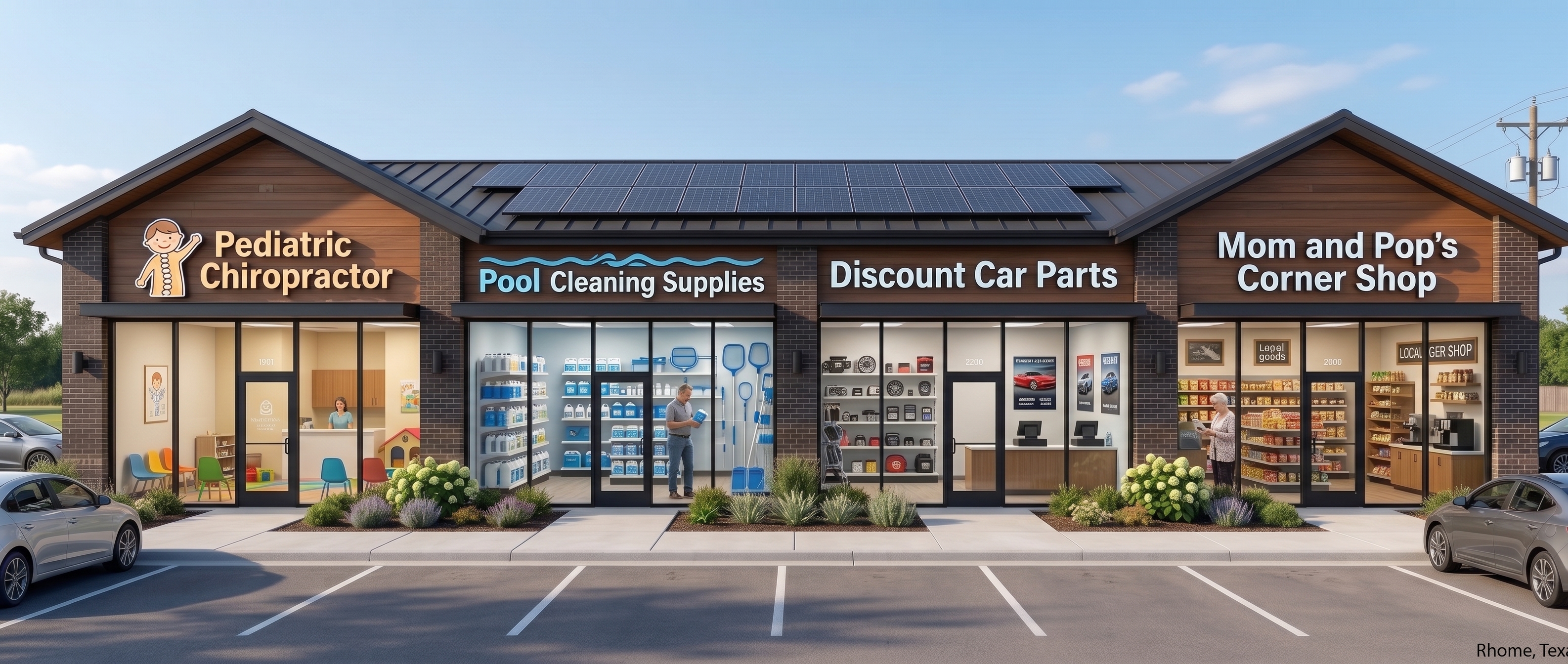
1. Elevates First Impressions and Maximizes Retail Foot Traffic
Consumers evaluate a business long before crossing the threshold. According to retail design and consumer behavior research, a storefront's exterior shapes a customer’s subconscious judgment of product quality, operational professionalism, and hygiene standards within seconds.
Dirty, smudged, or streak-laden glass signals neglect. Potential buyers walking past a retail store or dining establishment subconsciously associate dirty windows with poor inventory control, subpar hygiene, or declining financial health.
THE STOREFRONT CONVERSION PIPELINE
Pristine Exterior Glass → Signals Operational Excellence → Captures Foot Traffic Attention → Increases Walk-In Conversions & Revenue
Clean commercial windows create high visual clarity, allowing interior displays, product lighting, and welcoming store layouts to shine.
By removing road film, hard-water spots, and fingerprint buildup, clean glass eliminates visual friction between potential customers and retail merchandise, directly increasing foot-traffic conversion rates and driving retail sales volume.
2. Optimizes Workplace Daylight and Boosts Employee Productivity
Commercial window cleaning does not just attract external customers—it transforms internal workforce performance. Dust, environmental smog, and mineral film act as a continuous filter, significantly reducing natural daylight transmission into office interiors.
Scientific research continuously reinforces the link between daylight exposure, workplace ergonomics, and employee output:
Cognitive Function & Focus: Abundant natural light boosts daily alertness, critical thinking, and task completion speed while drastically reducing visual eye strain compared to artificial fluorescent lighting.
Absenteeism Reduction: Employees working in natural light report fewer eye strain complaints, reduced headache incidence, and improved sleep quality, directly reducing unplanned sick leave.
Employee Retention: Well-lit, bright office environments contribute to overall workplace satisfaction, lowering turnover costs in high-competition job markets.
DAYLIGHT & PRODUCTIVITY FLOW
Clean Commercial Glass → Maximum Daylight Transmission → Reduced Fluorescent Eye Strain → Increased Employee Energy & Output
By ensuring glass surfaces remain spot-free, facility managers maximize natural daylighting, creating an energized environment that drives employee efficiency and lowers turnover costs.
3. Lowers Energy Costs and Enhances Facility Sustainability
Commercial heating, ventilation, and air conditioning (HVAC) systems represent a major operational expense for commercial real estate. Dirty window glass directly interferes with a building's thermal envelope and daylighting design.
In modern commercial facilities featuring Low-Emissivity (Low-E) glass, accumulated environmental pollution absorbs thermal energy unevenly across the pane. This creates localized heat pockets that strain HVAC systems, degrade low-E coatings prematurely, and increase cooling costs during summer months.
| Facility Factor | Impact of Neglected Glass | Benefit of Professional Washing |
|---|---|---|
| Artificial Lighting Load | Heavy soot blocks daylight, requiring lights to stay on longer. | Allows more natural light, reducing daily lighting use. |
| HVAC Thermal Stress | Uneven dirt buildup creates localized heat pockets on panes. | Maintains consistent solar thermal reflection. |
| Insulated Glass Seals | Acidic dirt builds along frames, breaking thermal seals over time. | Removes corrosive buildup around glass frame perimeter. |
Clean windows allow passive solar heating during cold months while enabling building automation systems to automatically dim interior electric lights in response to natural brightness. This reduces kilowatt-hour consumption, cuts monthly utility costs, and moves properties closer to LEED certification and ESG compliance targets.
4. Prevents Costly Glass Etching and Extends Capital Asset Life
Commercial window replacement is a massive capital expenditure (CapEx) that can easily cost tens of thousands of dollars. Glass appears completely solid to the human eye, but micro-structurally, it features porous pockets.
When exposed to industrial emissions, mineral-heavy irrigation overspray, and atmospheric acid rain, glass surfaces collect microscopic alkaline and acid deposits. Over time, sun exposure bakes these contaminants into the pane through a chemical process known as silica etching.
Clean Commercial Pane → Mineral & Acid Accumulation → Sun Heat & Time → Permanent Chemical Etching (Requires Complete Glass Replacement)
Once glass is chemically etched, standard window cleaning solutions cannot restore its clarity, leaving expensive restoration or total glass replacement as the only remaining remedies.
Implementing a scheduled maintenance program with a professional window washing contractor removes corrosive deposits before they bond with the glass structure. This simple maintenance step preserves structural integrity and delays expensive asset replacement cycles.
5. Mitigates Commercial Safety Risks and Insurance Liabilities
Attempting DIY or in-house window maintenance on commercial or multi-story properties creates serious safety risks and liability exposures. High-reach exterior work, ladder usage, and elevated glass require proper equipment, careful technique, and trained crews to keep everyone safe.
| Risk Factor | In-House / DIY Maintenance | Certified Commercial Service |
|---|---|---|
| Occupational Safety | High risk of fall injuries, ladder slips, or dropping equipment. | Trained crew, professional equipment, and proper safety practices. |
| Corporate Liability | In-house injuries trigger direct Workers’ Comp claims and lawsuits. | Covered by vendor's General Liability & Workers’ Comp insurance. |
| Property Damage | Pressure washing or hard scraping causes frame leaks and scratches. | Pure-water fed poles and non-abrasive tech protect building envelope. |
Partnering with a fully insured commercial window cleaning provider completely offloads this operational risk. Professional window cleaners use specialized water-fed pole systems and pure-water filtration to safely maintain commercial glass without putting internal staff in harm's way.

Turn Clean Glass into a Competitive Advantage
Wrangler Washers understands that commercial window washing is far more than a basic housekeeping expense—it is a strategic investment that directly strengthens a business’s bottom line.
From driving foot traffic and customer conversions to lowering facility power bills, extending building asset lifespans, and maintaining workplace safety, regular window maintenance offers a clear return on investment.
Protect your commercial asset, optimize your workplace environment, and project brand quality from the street up by scheduling routine professional window maintenance today.
Explore our window cleaning and full range of services, or contact us to set up a recurring schedule.